
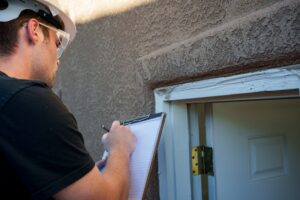
 The property walkthrough is a powerful asset for any rental property investor, but only when approached with the right focus. A proper walkthrough can reveal subtle warning signs of future problems. By using an investment walkthrough checklist, investors can spot property maintenance red flags, help investors control costs, protect returns, and avoid unexpected complications after closing.
Why Every Investor Needs an Investment Walkthrough Checklist
For many investors, walkthroughs become routine, but they should be strategic opportunities. A thorough property walkthrough helps prevent hidden repair costs, making a complete property walkthrough checklist essential when reviewing an investment property.
A strong investment walkthrough checklist allows you to:
- Identify minor issues before escalation
- Separate cosmetic wear from serious problems
- Make informed repair, pricing, or negotiation decisions
Well-executed property walkthroughs protect cash flow and preserve your long-term asset.
Key Property Maintenance Red Flags
During inspections, one of the most important things to look for during a property walkthrough is identifying red flags. These signs often reveal hidden concerns.
Although wear and tear is expected, especially in older properties, certain maintenance red flags can indicate problems that may become expensive repairs if left unchecked.
It’s critical to distinguish between minor cosmetic issues, like worn finishes, and serious structural or system issues, such as water damage or outdated systems. Investors who spot the important red flags early gain a significant advantage in their decision-making.
Let’s take a closer look at key maintenance red flags that may signal deeper issues.
Exterior Property Maintenance Red Flags
- Roofing, Gutters, and Drainage Issues: Curling shingles, sagging gutters, and pooling near the foundation are clear signs of drainage issues. These can result in moisture intrusion and serious foundation damage.
- Foundation and Exterior Cracks: While some cracking is expected, large or shifting cracks may indicate settling or structural movement, which can be costly to repair.
- Siding, Paint, and Moisture Exposure: Peeling paint, warped siding, or mildew buildup often signal moisture problems, leading to rot and deterioration of the exterior.
Interior Maintenance Red Flags
- Water Stains, Odors, and Moisture Clues: Bubbling paint, water spots on ceilings, or musty odors often reveal active or past leaks. Moisture-related issues left unchecked drive up repair costs.
- Flooring Wear That Signals Bigger Problems: Uneven floors, soft spots, or unusual wear may uncover subfloor damage, moisture problems, or structural concerns.
- Doors, Windows, and Structural Alignment Issues: Misaligned doors or windows that stick are warning signs of shifting foundations or framing issues.
Mechanical and System Red Flags
- HVAC Warning Signs: Inconsistent temperatures, strange noises, or visibly worn equipment can result in high replacement costs. HVAC systems are among the most expensive maintenance items to maintain or replace.
- Plumbing Red Flags: Evidence of past leaks under sinks, corroded piping, or weak water pressure signals potential plumbing issues.
- Electrical Concerns: Exposed wiring, overloaded circuits, and old panels indicate serious safety and compliance issues that must be corrected promptly.
How Property Maintenance Red Flags Affect Investment Returns
Failing to identify red flags early almost always costs more in the long run. Some minor maintenance issues are manageable, but knowing the difference between small cosmetic problems and urgent repairs is essential. Ignoring them can result in:
- Emergency repair bills
- Tenant disruption and vacancies
- Increased insurance costs
- Lower net operating income
Proactive detection during walkthroughs helps investors maintain healthy cash flow and protect long-term returns.
Turning Your Walkthrough Into a Smart Investment Tool
Regular and effective walkthroughs are a critical component of successful property management. Each walkthrough should involve careful documentation, photographs, and prompt follow-up. When done properly, property walkthroughs develop into a data-driven process that aids smart investment and budgeting decisions. An investment walkthrough checklist combined with awareness of property maintenance red flags enables investors to avoid costly repairs and ensure long-term returns.
Hidden maintenance red flags can quietly impact your property’s returns. Real Property Management Oceanfront’s property management experts in Milton perform precise property walkthroughs to identify costly concerns early, ensuring your cash flow and long-term value are protected. Contact us online or call 850-912-9991 today for a rental assessment.
This content is provided for general informational and educational purposes only and does not constitute financial, legal, tax, or investment advice. Readers should consult with licensed professionals regarding their specific circumstances.
We are pledged to the letter and spirit of U.S. policy for the achievement of equal housing opportunity throughout the Nation. See Equal Housing Opportunity Statement for more information.
